Showing posts with label Lithuania National Parks. Show all posts

Friday, October 15, 2010

Aukštaitija National Park: A Wonderland of Lakes and Forests

Aukštaitija National Park Lithuania

Are you yearning for an escape, a chance to reconnect with nature and breathe in the purest air? Look no further than Aukštaitija National Park in Lithuania, a captivating sanctuary where ancient forests meet shimmering lakes and whispers of Lithuanian history echo through the trees. This isn't just a park; it's an invitation to adventure, a promise of tranquility, and a journey into the heart of a land brimming with natural wonders.

Imagine yourself paddling across a crystal-clear lake, the only sound the gentle lapping of water against your kayak. Picture yourself hiking through verdant forests, sunlight dappling through the canopy, and the earthy aroma of pine needles filling your lungs. Envision yourself gazing at a star-studded sky, far from the city lights, feeling a profound connection to the universe. This is the magic of Aukštaitija National Park, and it's waiting to be discovered by you.

Aukštaitija: Where Nature Reigns Supreme

Established in 1974, Aukštaitija National Park is the oldest of Lithuania's five national parks, a testament to the nation's commitment to preserving its natural heritage. Situated in the northeastern part of the country, it boasts an extraordinary landscape shaped by glacial activity, resulting in a unique mosaic of lakes, forests, hills, and wetlands. The park spans over 40,000 hectares and is home to a diverse range of flora and fauna, making it a true haven for nature lovers.

But Aukštaitija is more than just stunning scenery; it’s a place where time seems to slow down, where you can disconnect from the digital world and reconnect with yourself. It's a reminder of the simple pleasures in life: the warmth of the sun on your skin, the sound of birdsong, and the sheer beauty of the natural world.

Aukštaitija National Park Lithuania

Unveiling the Enchanting Attractions:

Aukštaitija National Park is a treasure trove of natural and cultural attractions, each offering a unique perspective on the park's beauty and history. Get ready to be captivated:
The Lakes: With over 126 lakes scattered throughout the park, water activities are a must. Lake Baluošas, known for its seven islands, is perfect for kayaking and canoeing. Lake Tauragnas, the deepest lake in Lithuania, offers stunning views and opportunities for swimming. Explore these tranquil waters and discover hidden coves and secluded beaches. 
The Forests: Immerse yourself in the heart of the park's ancient forests. Hike through towering pines, fragrant birches, and moss-covered undergrowth. Keep an eye out for the diverse wildlife that calls these forests home, including deer, wild boar, and various bird species. 
The Observation Towers: Ascend to the heights of the park's observation towers for breathtaking panoramic views. The Šilininkai observation tower offers a stunning vista of the surrounding landscape, particularly beautiful during the autumn foliage. 
The Ethnocosmology Museum: Delve into the depths of Lithuanian folklore and astronomy at the Ethnocosmology Museum, a unique institution that explores the relationship between humans and the cosmos. Learn about ancient beliefs, celestial phenomena, and the interconnectedness of all things. 
The Village of Palūšė: Visit the charming village of Palūšė, known for its beautiful wooden church, a masterpiece of traditional Lithuanian architecture. Explore the narrow streets, admire the quaint houses, and soak up the atmosphere of this historic village. 
The Ginučiai Water Mill: Step back in time at the Ginučiai Water Mill, a restored 19th-century mill that offers a glimpse into the region's industrial heritage. Learn about the milling process and explore the surrounding area, which is perfect for hiking and picnicking. 
The Ladakalnis Hill: Ascend Ladakalnis Hill, a sacred site with pagan roots, and enjoy breathtaking views of the surrounding lakes and forests. This hill is a place of great historical and cultural significance, offering a unique perspective on the region's past.

Your Essential Travel Guide to Aukštaitija:

Planning your trip to Aukštaitija National Park doesn't have to be daunting. Here's a comprehensive guide to help you make the most of your adventure:
Best Time to Visit: The best time to visit Aukštaitija National Park is during the spring, summer, or autumn months. Spring offers blooming wildflowers and pleasant temperatures, while summer is ideal for swimming and water activities. Autumn brings vibrant foliage and crisp, refreshing air. 
Getting There: The easiest way to reach Aukštaitija National Park is by car. The park is located approximately 110 kilometers (68 miles) from Vilnius, the capital of Lithuania. You can also take a bus from Vilnius or other major cities to smaller towns near the park and then rent a car or use local transportation. 
Accommodation: A variety of accommodation options are available both within and around the park, ranging from cozy guesthouses and campsites to comfortable hotels and resorts. Book your accommodation in advance, especially during peak season. Activities: The park offers a wide range of activities to suit all interests and fitness levels. Hiking, cycling, kayaking, canoeing, swimming, fishing, and birdwatching are just a few of the options available. 
What to Pack: Pack comfortable hiking shoes, lightweight clothing, rain gear, sunscreen, insect repellent, and a hat. Don't forget your camera to capture the stunning scenery! 
Food and Drink: Sample traditional Lithuanian cuisine at local restaurants and cafes. Be sure to try cepelinai (potato dumplings), kugelis (potato pudding), and šaltibarščiai (cold beetroot soup). Permits and Regulations: Check with the park administration for any required permits or regulations before embarking on your adventure. Be sure to followLeave No Trace principles to minimize your impact on the environment. 
Respect the Environment: Remember that Aukštaitija National Park is a protected area. Be mindful of your surroundings, stay on marked trails, and avoid disturbing wildlife or damaging vegetation. 

Powered by GetYourGuide

Embrace the Call of the Wild:

Aukštaitija National Park is more than just a destination; it's an experience. It's an opportunity to reconnect with nature, to challenge yourself physically and mentally, and to discover the hidden beauty of Lithuania. So, pack your bags, gather your courage, and prepare to be amazed.

Don't just dream about adventure - live it! Let the tranquil lakes, ancient forests, and starlit skies of Aukštaitija National Park rejuvenate your soul and inspire your spirit. This is your invitation to escape the ordinary and embrace the extraordinary. Your journey to the heart of Lithuania's natural beauty awaits. Are you ready to answer the call?

Dzūkija National Park: Pine Forests and Traditional Villages

Dzūkija National Park, Lithuania

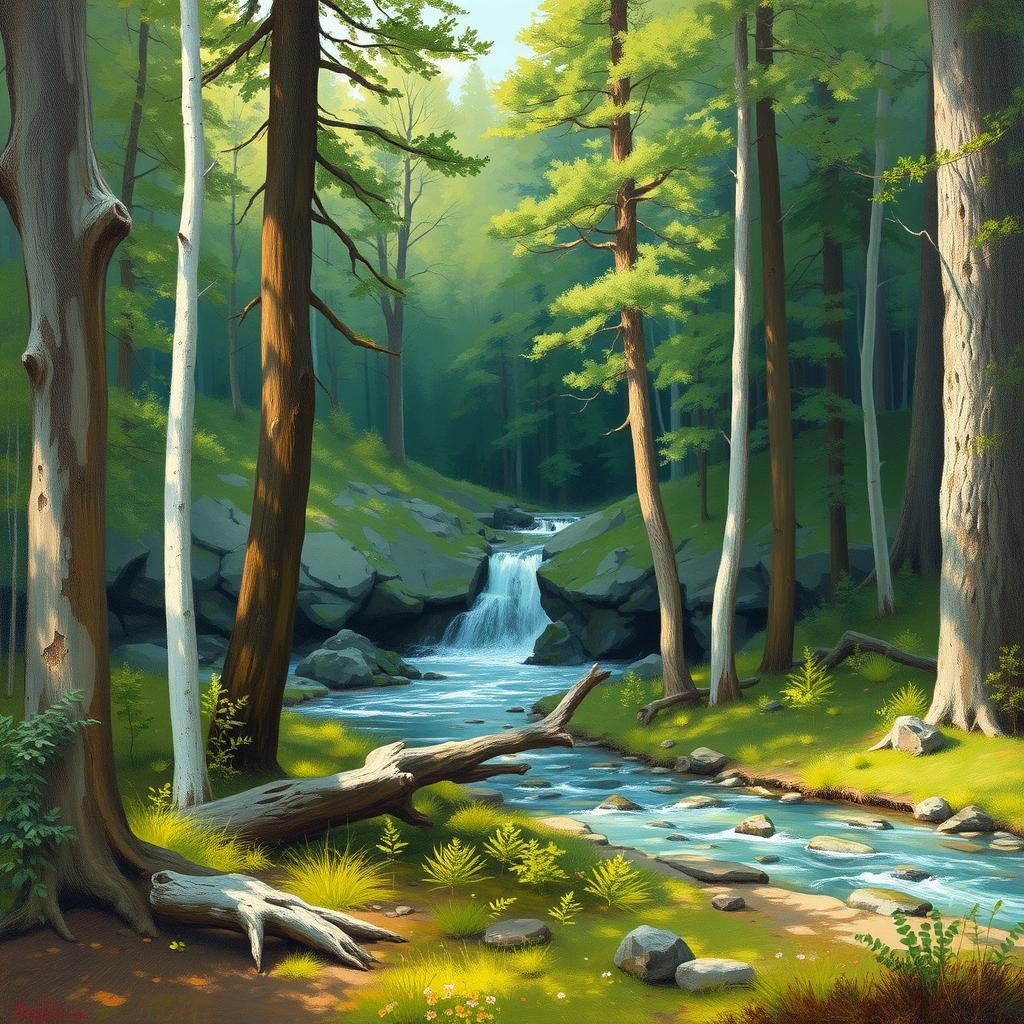
Are you yearning for an escape, a chance to reconnect with nature, and a journey into a land steeped in ancient traditions? Look no further than Dzūkija National Park in Lithuania, a hidden gem waiting to be explored. Prepare to be captivated by its breathtaking landscapes, charmed by its rustic villages, and invigorated by the fresh air that permeates every corner of this natural paradise. This isn't just a vacation; it's an immersion into a world where time slows down, and the wonders of nature take center stage.

Dzūkija National Park, the largest in Lithuania, isn't just a protected area; it's a living, breathing tapestry woven from dense pine forests, meandering rivers, sprawling bogs, and quaint, forgotten villages. It's a place where you can lose yourself in the tranquility of the woods, discover the secrets whispered by ancient trees, and uncover the rich cultural heritage that has shaped this unique region for centuries.
Ready to embark on an unforgettable adventure? 

This travel guide will equip you with everything you need to plan your trip and experience the very best that Dzūkija National Park has to offer.

A Journey into the Heart of Lithuania: Your Dzūkija Travel Guide

Before you pack your bags, it's important to understand the essence of Dzūkija. This region, often called the "Land of Sands," is renowned for its unique dialect, traditional crafts, and deep connection to nature. Here's your essential guide to navigating this captivating corner of Lithuania:

Dzūkija National Park, Lithuania

Getting There:
By Air: The closest international airport is Vilnius International Airport (VNO). From Vilnius, you can rent a car or take a bus to various towns and villages within the park. By Car: Renting a car offers the most flexibility for exploring the park at your own pace. The roads are generally well-maintained, though some smaller paths may be unpaved. By Bus: Regular bus services connect Vilnius and other major Lithuanian cities with towns within Dzūkija National Park, such as Varėna, Druskininkai (located just outside the park), and Marcinkonys. 

When to Visit:
Spring (April-May): Witness the awakening of nature, with wildflowers blooming and birdsong filling the air. Be prepared for occasional rain. Summer (June-August): Enjoy warm weather, perfect for hiking, canoeing, and swimming. This is the peak tourist season, so expect more crowds. Autumn (September-October): Experience the stunning autumnal foliage as the forests transform into a blaze of color. This is a particularly magical time to visit. Winter (November-March): While challenging, winter offers a serene and picturesque landscape, especially for cross-country skiing and snowshoeing. Be prepared for cold temperatures and limited access to some areas.

Accommodation:
Guesthouses and Cottages: Numerous guesthouses and cottages are dotted throughout the park, offering a comfortable and authentic experience. Camping: Several campsites are available for those who prefer a more adventurous experience. Hotels: While not directly within the park, the nearby spa town of Druskininkai offers a range of hotels and resorts.

Essential Tips:
Learn a few basic Lithuanian phrases: While many people speak English, knowing a few basic phrases will be greatly appreciated. Respect the environment: Dzūkija National Park is a protected area. Be mindful of your impact on the environment by following Leave No Trace principles. 
Pack appropriately: Depending on the season, be sure to pack comfortable walking shoes, rain gear, warm layers, and insect repellent. 
Try the local cuisine: Dzūkija is known for its delicious mushroom dishes, potato dumplings (cepelinai), and other traditional Lithuanian fare. 
Purchase a map: A detailed map of the park is essential for navigating the trails and exploring the area. 

Unveiling the Treasures: Must-See Attractions in Dzūkija Dzūkija

National Park is brimming with wonders, each offering a unique perspective on the region's natural and cultural heritage. Here are some of the must-see attractions that will leave you spellbound:
Čepkeliai Marsh: This vast and pristine bog is the largest in Lithuania and a haven for rare bird species. Explore the raised boardwalks and observation towers for stunning panoramic views. Guided tours are highly recommended to fully appreciate the significance of this unique ecosystem.
Merkys River Valley: Embark on a kayaking or canoeing adventure down the winding Merkys River, surrounded by lush forests and picturesque villages. The gentle currents make it suitable for all skill levels.
Liškiava Mound: Climb to the top of this ancient hillfort, offering breathtaking views of the Nemunas River and the surrounding landscape. Explore the historic church and monastery complex at the foot of the mound.
Marcinkonys: Immerse yourself in the charm of this traditional village, known for its authentic wooden architecture and vibrant community. Visit the local ethnographic museum to learn about the region's cultural heritage.
Grūtas Park: Though located just outside the park boundaries, Grūtas Park is a unique and thought-provoking sculpture park showcasing Soviet-era monuments.
Zervynos Ethnographic Village: Step back in time in this well-preserved ethnographic village, showcasing traditional wooden houses and offering a glimpse into the life of rural Lithuanians in the past.
Dainava Forest: Lose yourself in the dense pine forests, home to diverse wildlife, including wolves, lynx, and elk. Explore the numerous hiking trails and enjoy the tranquility of nature.
The Devil's Stone: A large glacial erratic surrounded by folklore and legends. It is believed that witches danced here during ancient times.
Ancients Beekeeping Museum: Learn the history of beekeeping in Lithuania and test different types of honey.
Pavirvytis Oak: The oldest oak in Lithuania according to legend is more than 1,500 years old.
Mushrooming and Berry Picking: Dzūkija is renowned for its abundance of mushrooms and berries. During the season, join locals in the age-old tradition of foraging for these delicious treasures. Remember to identify edible species carefully or go with an experienced guide.

Powered by GetYourGuide

Embrace the Spirit of Dzūkija: Beyond the Tourist Trail

Dzūkija National Park is more than just a collection of attractions; it's an experience that will resonate with you long after you leave. To truly immerse yourself in the spirit of Dzūkija, consider these enriching activities:
Attend a local festival: Throughout the year, the region hosts various festivals celebrating traditional music, crafts, and cuisine. Learn a traditional craft: Participate in a workshop to learn the art of weaving, pottery, or wood carving. 
Stay with a local family: Experience the warmth and hospitality of the Dzūkija people by staying in a local guesthouse or homestay. Engage with the community: Visit local markets, chat with villagers, and learn about their way of life. Simply slow down and observe: Take the time to appreciate the simple beauty of the landscape, the tranquility of the forests, and the rhythms of nature.

Dzūkija National Park offers a unique opportunity to escape the hustle and bustle of modern life and reconnect with yourself and the natural world. It's a place to discover the beauty of simplicity, the richness of cultural heritage, and the power of nature to heal and inspire. So, pack your bags, open your heart, and prepare for an unforgettable adventure in the heart of Lithuania. Your journey into the untamed beauty of Dzūkija awaits!

Thursday, October 14, 2010

Curonian National Park: Lithuania

Curonian Spit National Park, Lithuania

Imagine stepping onto a land sculpted by wind and waves, a place where towering sand dunes meet the shimmering Baltic Sea. Imagine exploring ancient forests teeming with life, and breathing in the crisp, salty air, feeling utterly connected to nature. This isn't a dream; it's the reality of Curonian Spit National Park, a UNESCO World Heritage Site nestled in Lithuania, waiting to captivate your soul.
The Curonian Spit, a slender, 98-kilometer-long sand dune peninsula, separates the Curonian Lagoon from the Baltic Sea. Shared between Lithuania and Russia, the Lithuanian portion boasts the National Park, a protected haven offering a unique blend of natural beauty and cultural heritage. Prepare to be amazed by its ever-shifting landscape, a testament to the powerful forces of nature and the enduring spirit of the people who call it home.
This article serves as your personal guide to unlocking the magic of Curonian Spit National Park. Get ready to embark on an unforgettable adventure!

Curonian National Park: Lithuania

Attractions That Will Steal Your Heart 

The Curonian Spit is overflowing with attractions that cater to every type of traveler. Whether you're a nature enthusiast, a history buff, or simply seeking tranquility, you'll find something to ignite your passion.
The Efa Dune (Moving Dune): This majestic, constantly shifting dune is perhaps the most iconic landmark of the Curonian Spit. Hike to the top and witness breathtaking panoramic views of the surrounding landscape. The sheer scale of this natural wonder will leave you speechless. Witnessing the stark contrast between the golden sand and the azure sea is a truly awe-inspiring experience.
Dead Dunes (Grey Dunes): Unlike the Efa Dune, the Dead Dunes are covered in a sparse layer of vegetation, creating a hauntingly beautiful landscape. These dunes represent a past struggle against deforestation and sand encroachment. Exploring this area offers a poignant reminder of the delicate balance between human activity and the environment.
Juodkrante (Schwarzort): This charming village is steeped in history and brimming with character. Stroll along the picturesque harbor, admire the traditional wooden architecture, and visit the Hill of Witches, a whimsical collection of wooden sculptures inspired by Lithuanian folklore. Let the stories of the past come alive as you wander through this enchanting village.
Nida: The largest settlement on the Lithuanian side of the Curonian Spit, Nida is a vibrant town with a rich cultural scene. Explore the Thomas Mann House, where the Nobel Prize-winning author spent his summers, and visit the Ethnographic Fisherman's Museum to learn about the traditions of the local fishermen. Indulge in fresh seafood at one of the many restaurants and soak in the relaxed atmosphere of this coastal gem.
The Curonian Lagoon: Take a boat trip on the tranquil waters of the Curonian Lagoon and admire the stunning scenery from a different perspective. Observe the diverse birdlife that calls this lagoon home, and enjoy the serenity of the surrounding nature.
Birdwatching: The Curonian Spit is a crucial stopover point for migratory birds, making it a paradise for birdwatchers. Grab your binoculars and head to the designated birdwatching spots to observe a wide array of species in their natural habitat.

Powered by GetYourGuide

Your Essential Travel Guide to Curonian Spit National Park 

Planning your trip to the Curonian Spit is easy. Here's some practical information to help you make the most of your adventure:
Getting There: The easiest way to reach the Curonian Spit is by ferry from Klaipeda. Ferries operate regularly and the journey is a pleasant experience in itself. You can bring your car on the ferry, allowing you to explore the Spit at your own pace.
Accommodation: You can find a range of accommodation options in Nida and Juodkrante, from cozy guesthouses to comfortable hotels. Book in advance, especially during peak season, to secure your preferred lodging.
Transportation: While having a car is convenient, you can also explore the Spit by bicycle or public transport. Renting a bike is a fantastic way to immerse yourself in the natural surroundings.
Best Time to Visit: The best time to visit the Curonian Spit is during the shoulder seasons (May-June and September-October) when the weather is pleasant and the crowds are smaller. Summer can be crowded, but the long daylight hours are ideal for exploring.
Permits and Fees: There is an environmental fee to enter the Curonian Spit National Park. You can purchase permits at the entrance or online.
Respect the Environment: Remember that the Curonian Spit is a fragile ecosystem. Stay on designated paths, avoid disturbing wildlife, and dispose of your waste responsibly. Let's all do our part to preserve this natural treasure for future generations.

The Curonian Spit National Park is more than just a destination; it's an experience. It's a chance to connect with nature, to witness the power of the elements, and to discover the beauty of the Lithuanian coastline. So, pack your bags, embrace the adventure, and prepare to be captivated by the magic of the Curonian Spit. Your unforgettable journey awaits!